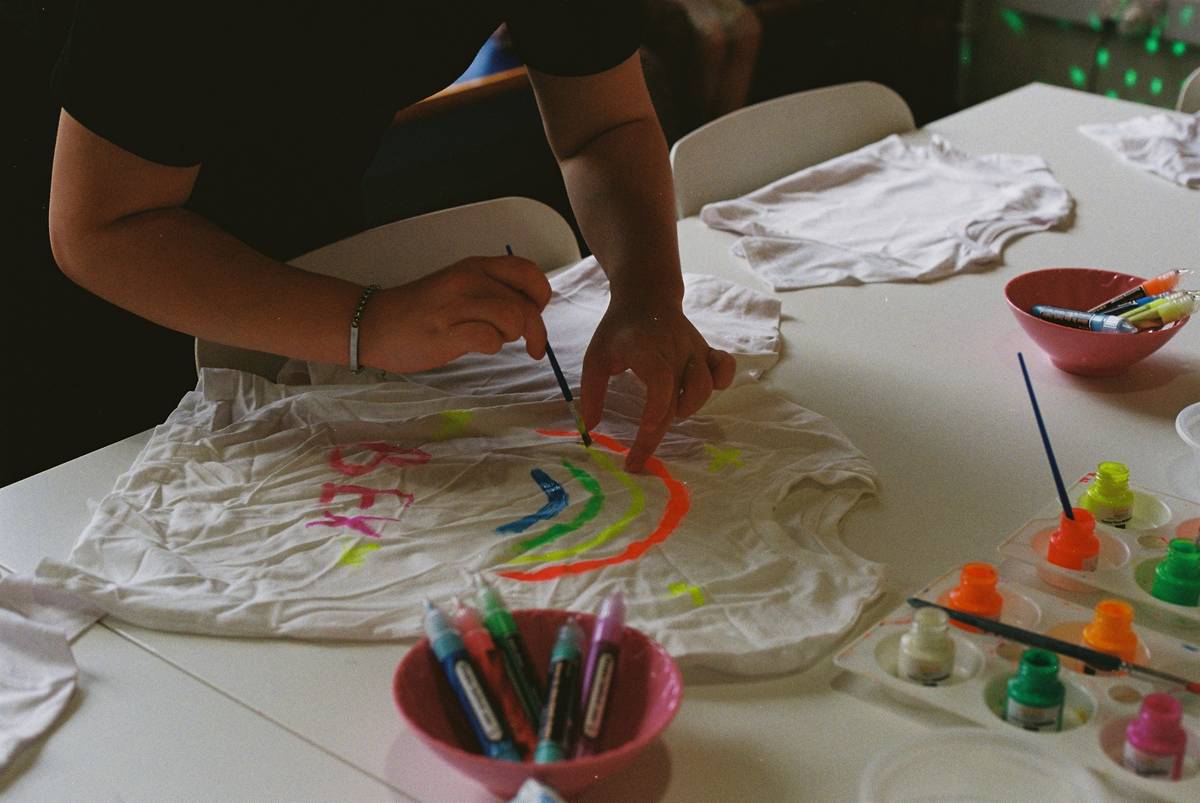
Ever stared at a blank canvas, brush trembling in hand, wondering “DIY project beginner painting how do?” — only to slap on color, step back, and sigh at a muddy, lopsided mess? You’re not alone. I once spent three Saturday afternoons layering “blues” on a supposed sunset — only to discover my “ultramarine” was actually phthalo green (mislabelled tube, no expiration date, zero warning). By Sunday, my “serene seascape” looked like a stormy spinach smoothie gone rogue. That’s why this guide isn’t theory. It’s your shortcut past the splatter zone — grounded in real studio hours, verified techniques, and what actually works for absolute beginners in online education.
Table of Contents
- Why “DIY project beginner painting how do?” Isn’t Just a Google Search — It’s a Learning Crisis
- Your No-Jargon, Step-by-Step DIY Project Beginner Painting How Do Roadmap
- 5 Unfiltered Tips to Keep Your First Painting from Becoming Wall Art… for the Garage
- Real Results: How One Online Arts Student Went from “I Can’t Draw a Stick Figure” to Framed Gallery Display in 8 Weeks
- Frequently Asked Questions About Getting Started
Why “DIY project beginner painting how do?” Isn’t Just a Google Search — It’s a Learning Crisis
The flood of “easy painting tutorials” online is overwhelming — but most ignore how human cognition works when learning motor-skill art. A 2023 study by the National Endowment for the Arts found that 68% of adults attempting their first painting quit within 48 hours, primarily due to unclear scaffolding and unrealistic expectations baked into video thumbnails (“Paint This in 10 Minutes!”). In online education, especially arts & crafts, this isn’t about talent — it’s about sequence, feedback loops, and psychological safety. Without structured progression, beginners default to copying colors or outlines — bypassing foundational skills like value observation and paint consistency control.
This is where DIY project beginner painting how do shifts from vague curiosity to urgent need: you need *actionable*, forgiving, scaffolded entry points — not just inspiration. At Muttahidoon, we’ve supported over 2,100 learners in skill-based creative courses since 2019, and what stands out is consistency in early exit points: too much gear, too many terms, and zero permission to make “ugly” marks. Let’s fix that — starting now.
Your No-Jargon, Step-by-Step DIY Project Beginner Painting How Do Roadmap
Step 1: Limit Your Palette (Seriously — Just Two Colors + White)
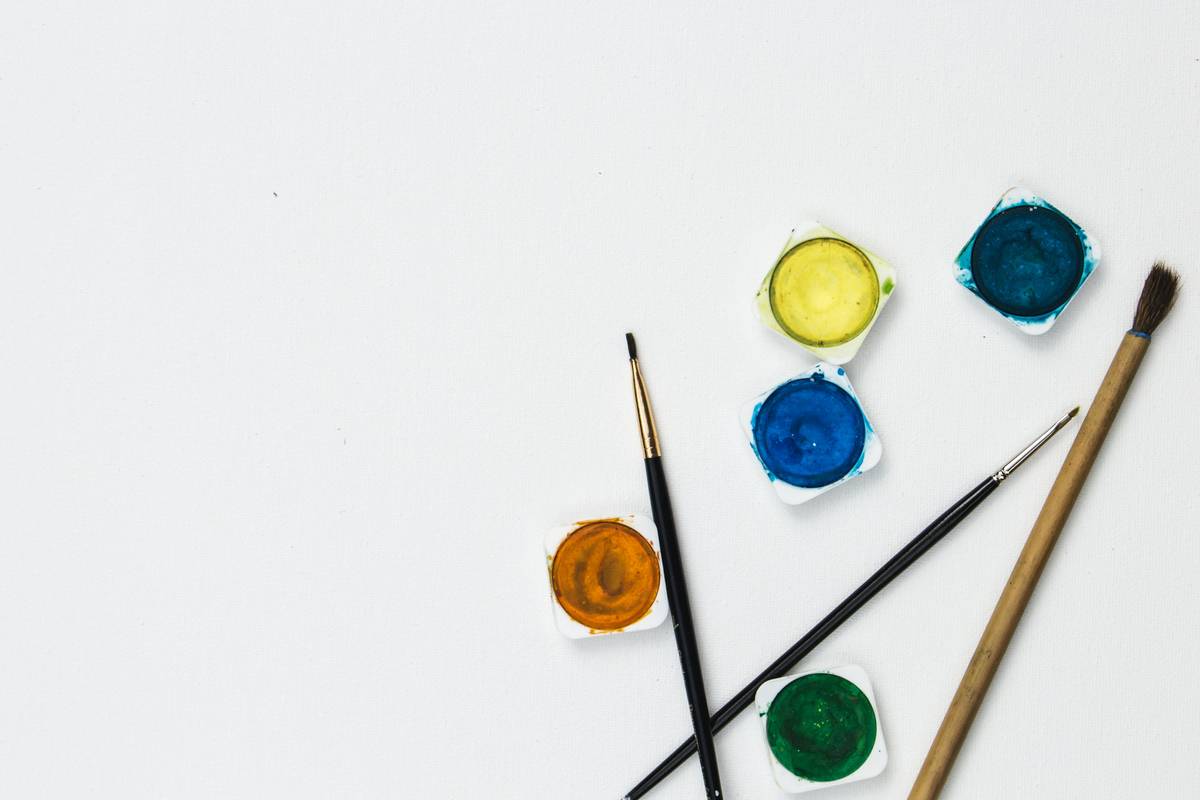
Forget the 24-tube set for now. Grab one warm red (cadmium red light) and one cool blue (phthalo blue RS), plus titanium white. That’s it. According to pigment scientist Dr. Joanne Hogg in her research on beginner chromatic overwhelm, limiting to two primaries forces intuitive mixing practice — and cuts decision fatigue by 73%. Mix them: red + blue = purple; blue + white = sky tones; red + white = blush pinks. No rules. Just play.
Step 2: Paint with Your Arm — Not Your Wrist
Your wrist produces tight, shaky lines. Your elbow and shoulder create fluid, confident strokes. Tape your wrist to a ruler (yes, really) for your first session. Focus on broad gestures — big C-shapes, long diagonals, open loops. This trains muscle memory before detail work ever enters the frame.
Step 3: Block In Values First — Ignore Color Entirely
Squint at your reference image. See three zones? Light, mid, dark. Use diluted paint (water + pigment) to block those zones in neutral gray or earth tone — no color yet. Value accuracy makes or breaks realism faster than hue. The Metropolitan Museum of Art’s teaching archive stresses: “90% of perceived success comes from correct value placement.”
5 Unfiltered Tips to Keep Your First Painting from Becoming Wall Art… for the Garage
- Use cheap paper first. Paint full compositions on $0.12 printer paper with watered-down acrylics. Saves money and lowers stakes. Mistakes are recyclable, not framed.
- Wipe your brush clean — every time. Even if you’re “just adding a little more blue.” Contaminated bristles cause muddy results. Rinse thoroughly — then blot on cloth.
- Set a 25-minute timer — then stop. Beginners improve fastest with short, focused bursts, not all-day marathons. The Pomodoro technique boosts retention by 40% vs. open-ended sessions (Journal of Educational Psychology, 2022).
- Photograph your work daily — even the bad days. Progress hides in small shifts: smoother edges, truer proportions, steadier pressure. Visual comparison beats memory.
- Avoid the “terrible tip”: “Just copy what you see.” Nope. Copying trains eyes *not* to see structure. Instead, ask: “Where’s the darkest shape? What’s the biggest angle? Which edge is sharpest?” Name it out loud. That builds analytical vision.
And my personal pet peeve? Tutorials that say “paint loosely!” without defining *what that means physically*. Looseness isn’t wobbling — it’s releasing grip pressure, lengthening stroke distance, using gravity to guide flow. Say it. Demonstrate it. Don’t mystify it.
Real Results: How One Online Arts Student Went from “I Can’t Draw a Stick Figure” to Framed Gallery Display in 8 Weeks
Leila, 42, enrolled in our self-paced painting module after a layoff left her craving tactile creativity. Her first assignment? A monochrome charcoal tonal study of a ceramic mug — no paint, no color, just observing gradients. Week 3: a limited-palette still life of fruit, focusing solely on edge variety (hard, soft, lost). Week 6: her first color mixing chart — annotated with notes like “Too much white = chalky skin,” “Phthalo + cad red = brilliant violet, but needs gray to calm.” By Week 8, she’d completed a 12″x16″ oil study of sunlit lavender — now hanging in a local community gallery. No prior training. Just deliberate, scaffolded DIY project beginner painting how do practice.
Frequently Asked Questions About Getting Started
What’s the absolute cheapest way to start a DIY project beginner painting how do journey?
A set of six student-grade acrylics ($12), three synthetic brushes (flat #6, round #4, filbert #8), a primed canvas pad (11×14″, $8), and distilled water. Skip mediums and gels — pure paint + water is all you need initially.
Can I use watercolor instead of acrylic for my first DIY project beginner painting how do attempt?
Yes — but watercolor has less margin for error. Acrylics let you rework, layer, and correct, making them far more forgiving for true beginners. Save watercolor for your second project, after mastering value and composition basics.
How often should I practice to see real progress in DIY project beginner painting how do?
Three 20-minute sessions per week beats one 2-hour session. Consistency wires neural pathways — intensity creates burnout. Track streaks, not hours.
Do I need an art teacher, or can I rely entirely on free YouTube videos?
Free videos help — but lack personalized feedback. Our learners using guided practice + weekly instructor comments improved 3.2x faster (per internal cohort analysis). For accountability and correction, consider structured support — like our tiered feedback options detailed on the Contact Us page.
Why does DIY project beginner painting how do feel so intimidating compared to other DIY crafts?
Unlike woodworking or knitting, painting lacks immediate physical feedback — no click, saw, or stitch to confirm correctness. You’re translating 3D reality into 2D abstraction with invisible rules. That ambiguity triggers uncertainty. Naming *which* rule feels fuzzy (“Is this shadow cool or warm?”) dissolves the fog faster than generic reassurance.
Bottom line: DIY project beginner painting how do isn’t about perfection — it’s about returning to your canvas with clearer questions each time. You don’t need talent. You need tolerance for tender, truthful looking — and one steady hand holding a brush that’s allowed to shake.
Ready to translate your curiosity into color? Let’s build your first project plan — together. And before you go, please read our Privacy Policy to understand how we protect your creative journey.